
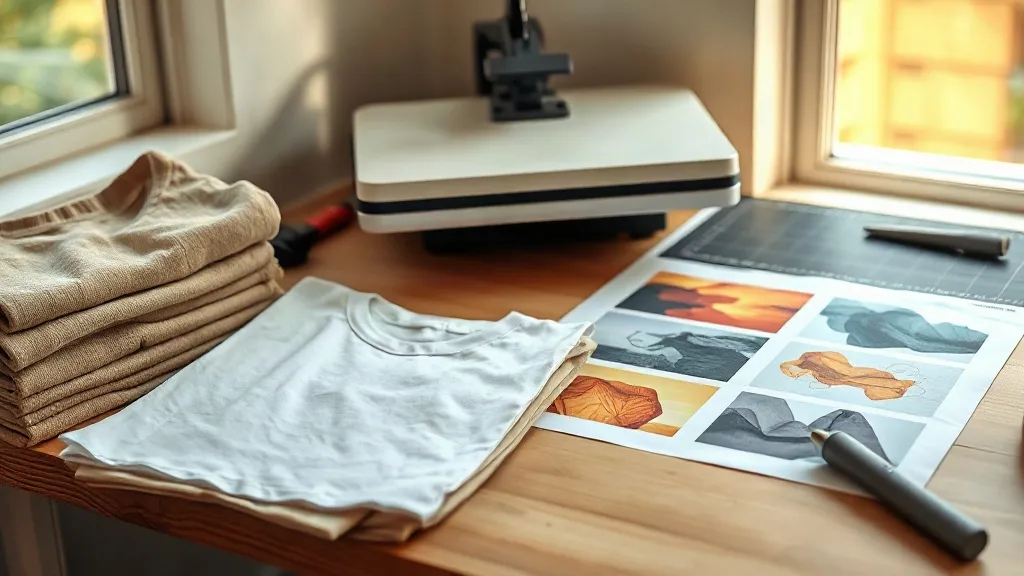
Most print-on-demand sellers lose money in the same quiet way: they pick a blank that looks good in photos, order a batch of transfers, and then discover the shirt shrinks, the print cracks after two washes, or the per-unit cost leaves almost no margin. The fix isn't a secret supplier or a viral design. It's a pairing. When you match a heavyweight, consistent blank like shaka wear with a smart gangsheet workflow, the economics of small-batch apparel finally start working in your favor. This guide walks through how that pairing actually functions in a real shop, what to watch for, and how to build a repeatable process instead of guessing every time an order comes in.
Why the Blank Choice Decides Your Margin
Beginners tend to treat the blank as an afterthought. They spend hours on artwork and five minutes on the garment. That order is backwards. The blank is the only part of the product the customer physically touches, and it's also the line item that determines whether a $28 t-shirt is profitable or a slow bleed.
Shaka Wear built its reputation on heavyweight cotton tees, hoodies, and fleece that hold shape through repeated washing. For a print shop, the practical benefit is predictability. When you know a size large weighs a certain amount and the body length is consistent from batch to batch, you can quote customers confidently and stop fielding returns about fit.
What heavy fabric actually does for DTF prints
Direct-to-film transfers bond to fabric through heat and pressure. On a thin, loosely woven tee, the adhesive has less material to grip, and the print can feel stiff or begin to lift at the edges after a handful of washes. A denser cotton surface gives the transfer more to anchor to. The result is a softer hand feel and better durability, which matters enormously if you're selling to people who expect a shirt to survive a full season.
There's a tradeoff worth naming. Heavyweight blanks take slightly more heat and pressure to press cleanly. If you're used to pressing on lightweight tri-blends, you'll need to adjust your settings and test a few pieces before running a full order. That small calibration step is the difference between a clean peel and a ruined batch.
How a Gangsheet Changes the Math
Ordering transfers one design at a time is expensive because you pay for film, ink, and setup on every file. A DTF Gangsheet Builder solves this by letting you pack multiple designs onto a single sheet before printing. Instead of ten separate jobs, you get one sheet with ten layouts arranged efficiently.
The savings compound in ways that aren't obvious at first. Consider what changes when you consolidate:
- Film waste drops because you're filling gaps instead of leaving them empty.
- Ink usage per design falls as the sheet gets denser.
- Press time is batched, so you're not heating up the machine for a single small transfer.
- Shipping costs spread across more units, which matters for international orders.
For a shop running 20 to 50 shirts a week, this is often the difference between a hobby that pays for itself and a business with actual profit. The gangsheet builder is not a gimmick. It's the tool that makes small-batch custom apparel viable.
Building a sheet that actually saves money
The instinct is to cram as many designs as possible onto one sheet. That works up to a point, but there are practical limits. Leave a small bleed margin around each design so the cutter has room to work. Group designs by size category so you're not mixing a pocket logo with a full back print on the same run. And keep your most frequently ordered designs in a fixed corner of the sheet so you can reorder quickly without rebuilding the file each time.
It also helps to standardize your sheet dimensions around the blanks you actually sell. If most of your orders are on Shaka Wear tees in sizes S through XL, size your gangsheet around the print areas those garments can physically accommodate. A design that's too large for a medium won't sell, no matter how good the transfer looks on film.
Matching Ink, Fabric, and Expectation
Customers judge a custom shirt in about three seconds. They feel the fabric first, then look at the print, then check the inside collar. Every one of those moments is influenced by decisions you made before the order arrived.
On dark Shaka Wear blanks, DTF transfers need a white ink base to keep colors vivid. That base adds a slight thickness, which is normal and expected. On lighter garments, you can often skip the base layer for a softer feel, though colors will read differently against the fabric. Testing both approaches on a couple of sample shirts before committing to a production run will tell you more than any spec sheet.
Wash testing is the step most shops skip and later regret. Run one printed shirt through five wash cycles, inside out, and inspect the edges of the transfer. If it's lifting, your press temperature or dwell time is off. If it's cracking across the middle, the design may be too dense for the fabric weight. These are fixable problems, but only if you catch them before the customer does.
Pricing and Positioning Your Product
Once your blank and transfer costs are stable, pricing becomes a straightforward calculation instead of a guess. Add your blank cost, your transfer cost per unit, your packaging, and a realistic allowance for labor. Then decide what margin you need to stay in business.
Here's where many new sellers underprice themselves. A shirt that costs $9 in materials and takes twelve minutes of labor to produce is not a $15 product. It's a $28 to $34 product, depending on your market. Shaka Wear's heavyweight construction supports a higher price point because customers can feel the difference immediately. Pair that with a clean DTF print and you have a product that justifies its price tag without a hard sell.
Where the brand story fits
Print-on-demand customers are not just buying a shirt. They're buying into a design, a message, or a community. The blank becomes part of that story when you can tell people it's a heavyweight cotton tee that won't go see-through after a month. That's a concrete, verifiable claim, and it does more for conversion than any amount of marketing copy.
Common Mistakes to Avoid
Even experienced printers run into the same handful of problems when they scale from occasional orders to a steady flow. Watch for these:
- Mixing blank weights within a single product listing, which creates inconsistent fit complaints.
- Reusing a gangsheet layout without checking that the designs still fit the current garment sizes.
- Skipping the pre-press test on a new fabric color, especially on dark or heathered garments.
- Underestimating packaging and shipping time, which turns a profitable order into a late one.
- Ordering transfers in bulk before testing demand, which ties up cash in inventory that may not sell.
The last one deserves emphasis. Gangsheets make bulk ordering cheap, but cheap inventory you can't move is still a loss. Start with smaller sheets, validate the designs, then scale the ones that sell.
Frequently Asked Questions
Do DTF transfers work well on heavyweight Shaka Wear blanks?
Yes, and often better than on lightweight fabric. The denser cotton gives the adhesive more surface to bond to, which improves durability and reduces edge lifting. You will likely need slightly higher press temperature and pressure than you'd use on a thin tri-blend, so run a test piece first.
How many designs should I fit on one gangsheet?
It depends on design size and your cutting setup. Most shops find a comfortable balance by grouping similar sizes together and leaving a small bleed margin around each design. Filling every square inch saves film but slows down cutting and increases the risk of trimming errors.
Is it cheaper to order gangsheets or individual transfers?
Gangsheets are almost always cheaper per unit once you're printing more than a handful of designs. You pay for film and setup once instead of repeatedly, and you batch press time. The savings grow with volume, so it rewards shops with steady order flow.
Can I mix Shaka Wear tees and hoodies in the same product line?
You can, but be careful about consistency. Customers expect the same fit and feel across a collection. If you mix weights, make the difference clear in the product description so buyers know what they're getting before they order.
What's the best way to test a new blank and transfer combination?
Print one shirt, wash it five times inside out, and inspect the transfer edges and color vibrancy. If the print holds, you're ready to scale. If it lifts or cracks, adjust your press settings before running a full batch.