
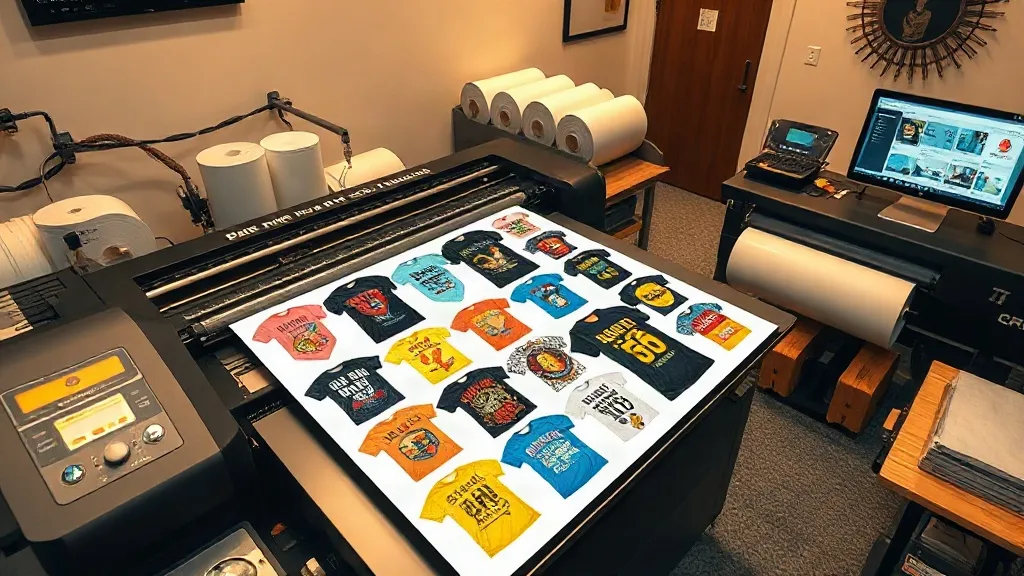
In the competitive world of custom apparel, efficiency and cost control are paramount. Whether you run a small print shop or a growing fashion brand, the pressure to deliver high-quality, vibrant designs quickly and affordably is relentless. Enter the DTF Gangsheet, a game-changing approach that maximizes your DTF printer's output while minimizing waste. This guide dives deep into what a DTF Gangsheet is, why it matters, and how you can leverage it to transform your production workflow.
What Exactly Is a DTF Gangsheet?
A DTF (Direct-to-Film) Gangsheet is a single sheet of transfer film populated with multiple designs, arranged efficiently to use as much of the printable area as possible. Instead of printing each design individually, you consolidate many jobs onto one sheet, which is then printed in one pass through your DTF printer. After printing, the sheet is powdered with adhesive, cured, and can be stored for later use or immediately applied to garments. This method is particularly beneficial for small to medium-sized orders where printing one design at a time would be inefficient.
The Anatomy of a Gangsheet
A typical gangsheet consists of a release film base, a layer of white ink (for opacity), a layer of color ink (CMYK), and a final layer of adhesive powder. The designs are nested closely together, often with minimal spacing, to maximize yield. Advanced software helps automate the nesting process, ensuring optimal layout and reducing manual errors.
Why DTF Gangsheets Are a Game-Changer for Print Shops
The benefits of adopting a gangsheet workflow extend far beyond simple convenience. Here’s why forward-thinking print shops are making the switch:
- Cost Efficiency: By maximizing film usage, you reduce waste and lower your cost per print. The savings on film and ink can be substantial, especially for high-volume shops.
- Time Savings: Printing multiple designs in one pass reduces printer downtime and labor costs. You can produce more in less time, increasing throughput.
- Consistency: Gangsheets ensure that all designs on the sheet are printed under identical conditions, leading to consistent color and quality across the batch.
- Flexibility: You can combine different designs, sizes, and even clients' orders on a single sheet, making it ideal for on-demand production and small batch runs.
- Storage and Reusability: Printed gangsheets can be stored and used as needed, allowing you to build an inventory of transfers ready for immediate application.
How to Create an Effective DTF Gangsheet
Creating a gangsheet is part art, part science. Follow these steps to ensure your gangsheets are optimized for quality and efficiency.
1. Design Preparation and Nesting
Start by gathering all the designs you want to include. Use specialized RIP software or gangsheet builder tools to arrange them on the sheet. The goal is to minimize empty space while maintaining adequate bleed and spacing for cutting. Most DTF printers have a maximum print width (e.g., 13 inches or 24 inches), so plan your layout accordingly. Rotate designs if necessary to fit more onto the sheet.
2. Printing Parameters
Set your printer to the appropriate settings for DTF printing: typically, a white ink layer followed by CMYK. Ensure your printer is calibrated and the ink levels are sufficient. Using high-quality DTF ink and film is crucial for vibrant colors and durability. Print at a resolution that balances quality and speed, such as 1440 dpi for detailed designs.
3. Powdering and Curing
After printing, apply DTF adhesive powder evenly over the wet ink. Shake off excess powder and cure the sheet using a heat press or conveyor dryer. The curing temperature and time depend on the powder and film specifications, but generally, 160-170°C for 2-3 minutes is typical. Proper curing ensures the transfer adheres well and withstands washing.
4. Storage and Handling
Store cured gangsheets in a cool, dry place away from direct sunlight. They can be rolled or stacked, but avoid folding to prevent cracking. When ready to use, cut out individual designs and apply them to garments using a heat press at 150-160°C for 10-15 seconds with firm pressure.
Maximizing Profit with DTF Gangsheets
For apparel businesses, gangsheets offer a path to higher margins. By reducing material waste and labor, you can price competitively without sacrificing quality. Additionally, the ability to produce small batches on demand means you can offer custom designs without holding large inventories. This lean approach is especially valuable for startups and print-on-demand sellers.
Consider this: a single 13x19 inch gangsheet can hold dozens of small logos or several larger prints. If you fill it efficiently, your cost per print can drop significantly. Over time, these savings add up, allowing you to reinvest in better equipment or marketing.
Common Pitfalls and How to Avoid Them
Even experienced printers can run into issues with gangsheets. Here are some common mistakes and their solutions:
- Overcrowding: Placing designs too close can cause ink bleeding or difficulty in cutting. Leave at least 0.25 inches between designs.
- Inconsistent Powdering: Uneven powder application leads to poor adhesion. Use a powder shaker for even coverage and always shake off excess.
- Improper Curing: Under-cured transfers will crack and wash out. Invest in a reliable heat press or conveyor dryer and follow the powder manufacturer's guidelines.
- Ignoring Film Orientation: DTF film has a coated side; printing on the wrong side will ruin the transfer. Always check that the coated side is facing up.
Choosing the Right Supplies for Gangsheet Success
The quality of your gangsheet depends heavily on the materials you use. Not all DTF films and powders are created equal. Look for films that offer excellent ink reception and release properties, and powders with a fine mesh for smooth adhesion. Establishing a relationship with a reputable supplier ensures consistency and reduces the risk of production hiccups.
Frequently Asked Questions About DTF Gangsheets
What is the maximum size for a DTF gangsheet?
The maximum size is determined by your printer's capabilities. Common widths are 13 inches, 17 inches, and 24 inches, with length limited by the roll or sheet size. Always check your printer's specifications.
Can I mix different designs on one gangsheet?
Absolutely. That's the primary advantage. You can combine various designs, sizes, and colors as long as they fit within the printable area. Just ensure proper spacing for cutting.
How long can I store a printed gangsheet before use?
When stored properly in a cool, dry place away from sunlight, cured gangsheets can last for several months. Avoid folding or creasing, as this can damage the transfer.
Do I need special software to create a gangsheet?
While you can manually arrange designs in graphic software, dedicated gangsheet builder tools automate nesting and maximize efficiency. Many RIP software options include gangsheet features.
What garments work best with DTF gangsheet transfers?
DTF transfers adhere well to cotton, polyester, blends, and even some synthetics. They are versatile and work on t-shirts, hoodies, bags, and more. Pre-press the garment to remove moisture for best results.
Embracing DTF Gangsheet technology is a smart move for any apparel printing business looking to scale efficiently. By optimizing your workflow, you not only save money but also open up new possibilities for creative designs and quick turnarounds. Start building your gangsheets today and watch your productivity soar.