
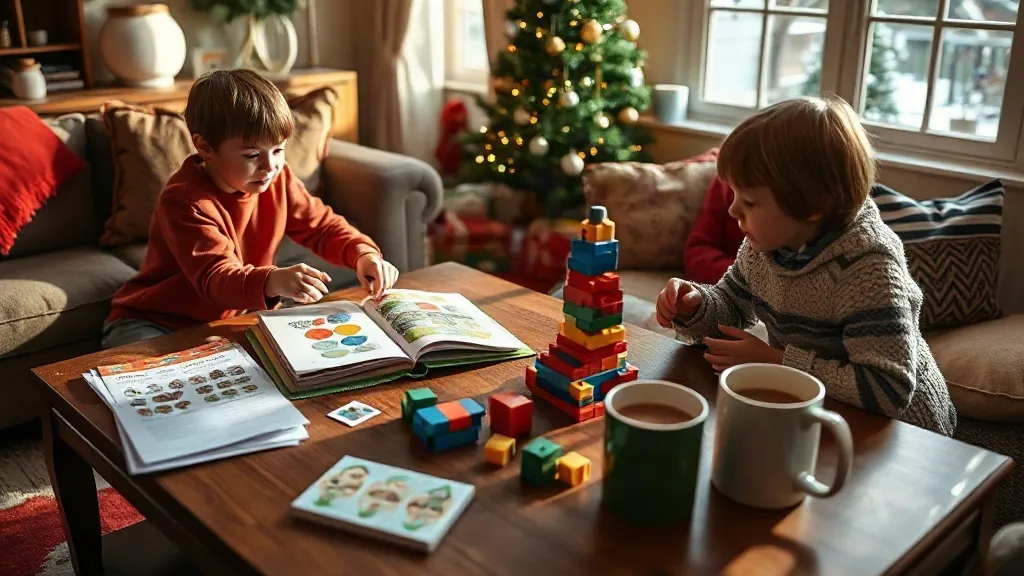
Walk into any toy store this November and you will notice something: aisles once dominated by flashing screens and app-connected gadgets are now crowded with families hunting for sticker albums and building sets. It is a quiet shift, but a telling one. After years of debate over screen time and digital connectivity, parents seem to be steering back toward toys that promise hands-on engagement, creativity, and a break from the virtual world. And the sales data backs it up: toy sales are having a bumper year so far, with stickers and building sets among the strongest performers as the Christmas rush approaches.
The Comeback of Tactile Play
Stickers and building sets are not new. They have been staples of childhood for decades. But their resurgence right now feels less like nostalgia and more like a correction. For years, the toy industry chased the latest tech trend, integrating screens, apps, and voice assistants into everything from dolls to board games. While those products found an audience, many parents grew weary of toys that required a charged battery or a Wi-Fi connection. Stickers and building sets, by contrast, demand nothing but imagination and a bit of table space. They are simple, reusable, and endlessly adaptable. That low barrier to entry is part of their appeal, especially for gift-givers who want something that will not be discarded after a week.
Why Stickers Are Having a Moment
Stickers might seem like an afterthought in the toy world, but they are quietly becoming a big business. Collectible sticker albums, themed sticker packs, and sticker-by-number sets are flying off the shelves. Part of the appeal is their versatility: stickers can be used for scrapbooking, decorating school supplies, or simply trading with friends. They are also affordable, which makes them an easy add-on purchase or a stocking stuffer. But perhaps the biggest driver is the way stickers encourage focus and fine motor skills without feeling like a lesson. For parents looking to limit screen time, a sticker book offers a calm, screen-free activity that children can do independently or with friends. Retailers have noticed, and many are expanding their sticker offerings beyond the traditional impulse-buy bins near the checkout.
Building Sets: Creativity with Structure
Building sets, meanwhile, continue to evolve. The classic interlocking bricks remain popular, but newer lines emphasize open-ended building, architectural themes, and even coding elements that blend physical and digital play. What sets these apart from purely digital toys is the tangible sense of accomplishment they provide. A child who builds a castle or a robot has something to show for their effort, something they can display or play with. That sense of pride is a powerful motivator. Building sets also scale well: a small set can be a quick afternoon project, while larger sets become long-term commitments that families work on together. This makes them ideal for the holiday season, when families often have more time to spend together.
The Screen Time Debate Fuels Demand
The surge in these traditional toys comes amid a broader cultural conversation about children's screen time. Concerns about the effects of excessive screen use on sleep, attention, and social development have been widely reported. While the debate is nuanced and experts caution against simplistic solutions, many parents are actively seeking alternatives that keep children engaged without a screen. Stickers and building sets fit that bill perfectly. They offer immersive, hands-on play that can absorb a child for hours. They also encourage problem-solving, spatial reasoning, and creativity, skills that are often highlighted in educational research. For toy manufacturers, this shift represents both an opportunity and a challenge. The opportunity is clear: a growing market of parents willing to invest in screen-free play. The challenge is to innovate within that space without simply adding a digital component for the sake of it.
What This Means for Retailers and Parents
For retailers, the message is to stock up on the classics and the creative. Stickers and building sets are not just filler items; they are becoming destination purchases. Stores that create dedicated sections for these products, perhaps with interactive display tables where children can try before buying, are likely to see stronger sales. Online retailers can benefit from curated bundles and gift guides that highlight the educational and creative value of these toys. For parents, the trend offers a welcome respite from the pressure to buy the latest gadget. It also serves as a reminder that sometimes the simplest toys are the most enduring. When choosing gifts this holiday season, consider toys that will grow with your child, that can be used in multiple ways, and that do not require an instruction manual or a battery. Stickers and building sets may not be flashy, but they have a proven track record of keeping children engaged long after the wrapping paper is torn away.
Looking Ahead: A Sustainable Trend?
Will this shift last beyond the holiday season? Early indications suggest it might. Toy industry analysts note that the demand for screen-free, creative play has been building for a while, and the pandemic accelerated it as families spent more time at home looking for activities that did not involve screens. As we move into 2024, expect to see more innovation in the sticker and building set categories, from eco-friendly materials to collaborative building sets designed for multiple children. The toy industry is cyclical, and what is old often becomes new again. But this time, the revival of stickers and building sets feels less like a fad and more like a return to fundamentals. In a world that is increasingly digital, there is something reassuring about a toy that simply asks a child to imagine, to build, and to play.
Frequently Asked Questions
Why are stickers and building sets suddenly so popular?
Their popularity stems from a combination of factors: parents seeking screen-free activities, the affordability and versatility of stickers, and the enduring appeal of building sets that offer creative, hands-on play. The ongoing debate about children's screen time has also pushed many families toward more tactile toys.
Are building sets suitable for very young children?
Yes, many building set manufacturers offer lines specifically designed for toddlers and preschoolers. These sets feature larger pieces that are easier for small hands to grasp and are often themed around basic shapes, colors, and simple structures. Always check the age recommendation on the packaging.
How can retailers capitalize on this trend during the holiday season?
Retailers can create attractive displays that allow children to interact with the products, bundle stickers and building sets into gift packages, and highlight the educational benefits in their marketing. Offering a curated selection of screen-free toys can also attract parents who are specifically looking for alternatives to digital devices.
What should parents look for when buying stickers and building sets?
Look for quality materials, age-appropriate complexity, and open-ended play potential. Stickers that are easy to peel and reposition are a plus for younger children. For building sets, consider the number of pieces, the availability of expansion packs, and whether the set encourages creativity rather than just following instructions.