
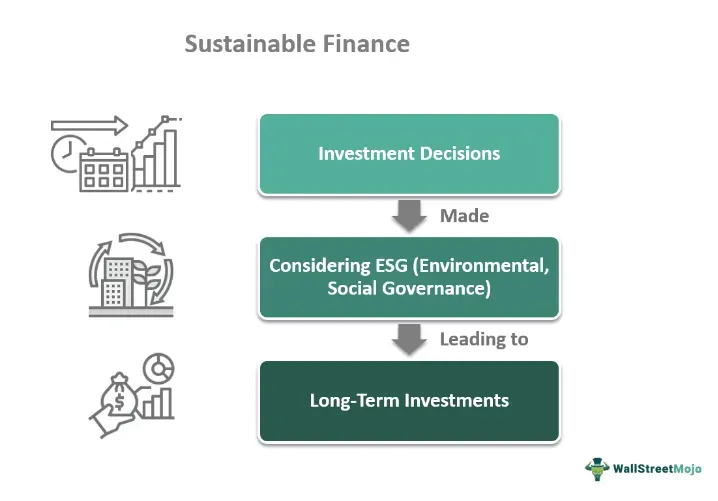
Sustainable finance is reshaping how investors think about risk, return, and responsibility, turning capital into a force for lasting value that supports healthier economies and more resilient communities. By weaving ESG investing into how you select assets and engage with companies, you can pursue competitive returns while advancing environmental and social goals across industries and borders. This approach helps align portfolios with personal values, translating ethical considerations into disciplined, transparent investment choices that guide stewardship, measurement, and long-horizon planning. From renewable energy projects to governance improvements, the lens of responsible investing reveals opportunities to improve resilience, diversify risk, and capture durable value over decades. As you build your strategy, you’ll look for credible reporting, clear impact data, and vehicles that support sustainable outcomes, such as thematic funds or listed securities aligned with your priorities.
In practical terms, this means aligning capital with values through responsible investing and climate-conscious capital allocation. Think of it as a framework that blends financial analysis with environmental and social considerations to guide decisions over the long term. You may hear terms like impact-oriented strategies, ethical finance, or sustainability-focused portfolios, all pointing to the same aim of growth with positive outcomes. As data quality improves and reporting becomes more transparent, these approaches can be evaluated for risk, return, and real-world impact.
Sustainable Finance in Practice: Aligning Values with ESG Investing, Green Bonds, and Sustainable Portfolios
Sustainable finance blends financial analysis with environmental, social, and governance considerations to align capital with values while pursuing competitive returns. In practice, this approach leverages ESG investing to assess risks and opportunities tied to climate risk, resource use, governance quality, and social impact. Instruments like green bonds provide tangible funding for environmentally beneficial projects, while sustainable portfolios assemble a mix of assets designed to deliver both financial performance and measurable environmental or social benefits.
To implement a values-driven strategy, start by clarifying what matters most and then learn frameworks such as negative and positive screening, active stewardship, and impact-oriented approaches. Build a plan that aligns asset allocation with risk tolerance and time horizon, and favor vehicles like ESG-focused funds, sustainable portfolios, and climate-focused themes. Ongoing due diligence and transparent impact reporting help you balance risk and return while keeping your investment practice accountable to your values.
Ethical Investing and Impact Investing: Screening to Outcomes in a Value-Driven Portfolio
Ethical investing centers on aligning investments with core values by screening out industries that conflict with beliefs, while impact investing seeks specific social or environmental outcomes. Together they expand the toolkit for a portfolio that not only aims for financial rewards but also contributes to positive change. Within this framework, you can pursue investments that advance sustainable infrastructure, affordable housing, or clean energy, all while maintaining a diversified approach that supports sustainable portfolios.
Effective execution hinges on due diligence and data literacy. Look beyond surface ratings to assess metrics such as carbon intensity, energy efficiency, worker safety, and governance practices; verify third-party verifications and audits where possible. Engage with companies through shareholder votes to encourage better practices, and select green bonds or ESG bond funds that align with your desired impact. Regular impact reporting alongside financial performance helps ensure your portfolio remains both financially resilient and socially responsible within the broader sustainable finance landscape.
Frequently Asked Questions
What is sustainable finance and why is ESG investing central to it?
Sustainable finance is the practice of integrating environmental, social, and governance (ESG) factors into investment analysis to manage risks and opportunities for long‑term value. ESG investing helps identify how climate risk, governance quality, and social impact can influence returns beyond traditional metrics. By combining ESG investing with ethical investing and—where appropriate—impact investing, investors can build portfolios that reflect their values while pursuing competitive performance.
How do green bonds fit into a sustainable portfolio and ethical investing?
Green bonds are debt instruments that fund projects with tangible environmental benefits, such as renewable energy or energy efficiency. They provide dedicated climate finance that aligns with sustainable portfolios and ethical investing objectives, helping to channel capital toward environmentally beneficial outcomes. Including green bonds alongside ESG-focused funds and impact investing strategies can enhance diversification, while rigorous due diligence and credible reporting help prevent greenwashing.
| Key Point | Summary |
|---|---|
| Sustainable finance definition and purpose |
|
| Core concepts and instruments |
|
| Building a sustainable portfolio: steps |
|
| Practical strategies to implement |
|
| Case studies: values in action |
|
| Challenges and pitfalls |
|
| Measuring impact and reporting progress |
|
Summary
The table above summarizes the key points about sustainable finance in English, outlining core concepts, practical steps to build a portfolio, strategies, case studies, challenges, and how to measure impact.